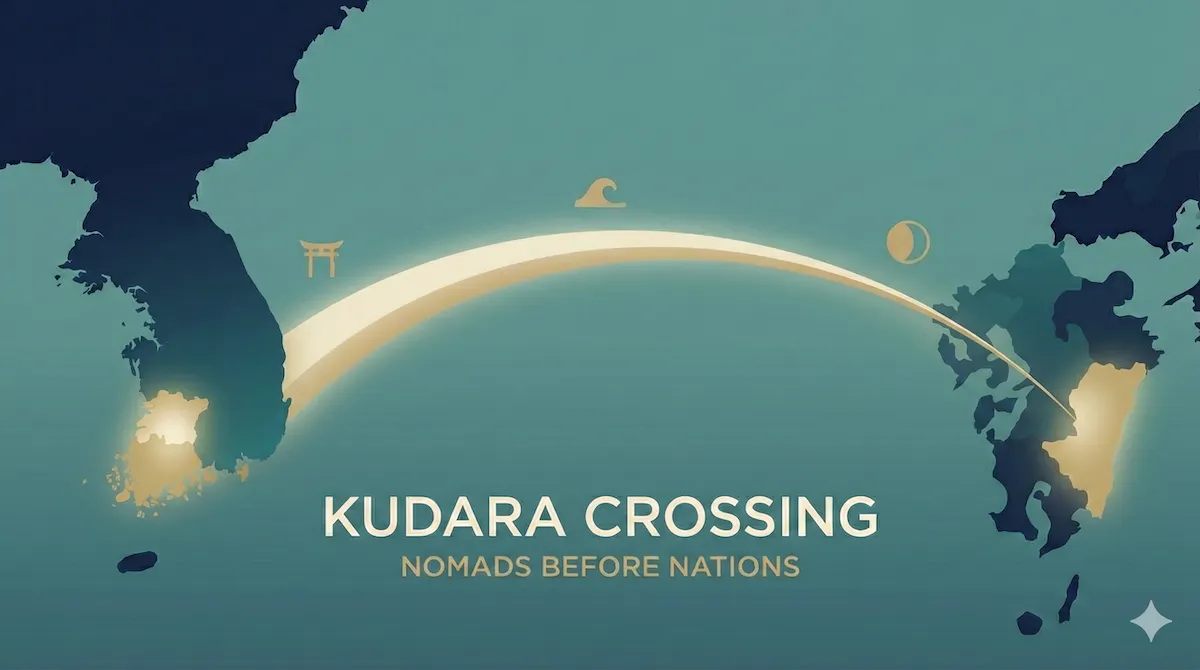
Nomads Before Nations at Shiwasu Matsuri, Miyazaki
A small, experimental workation + mini-retreat in Miyazaki, Japan —around a 1300-year-old festival and the traces of an ancient Korean kingdom that helped shape early Japan.
Quick Facts
•
Dates: January 14–21, 2026 (7 nights / 8 days)
•
Main festival days: January 16–18 (Fri–Sun)
•
Place: Miyazaki Prefecture, Japan
◦
Nangō (often called “Paekche Village”)
◦
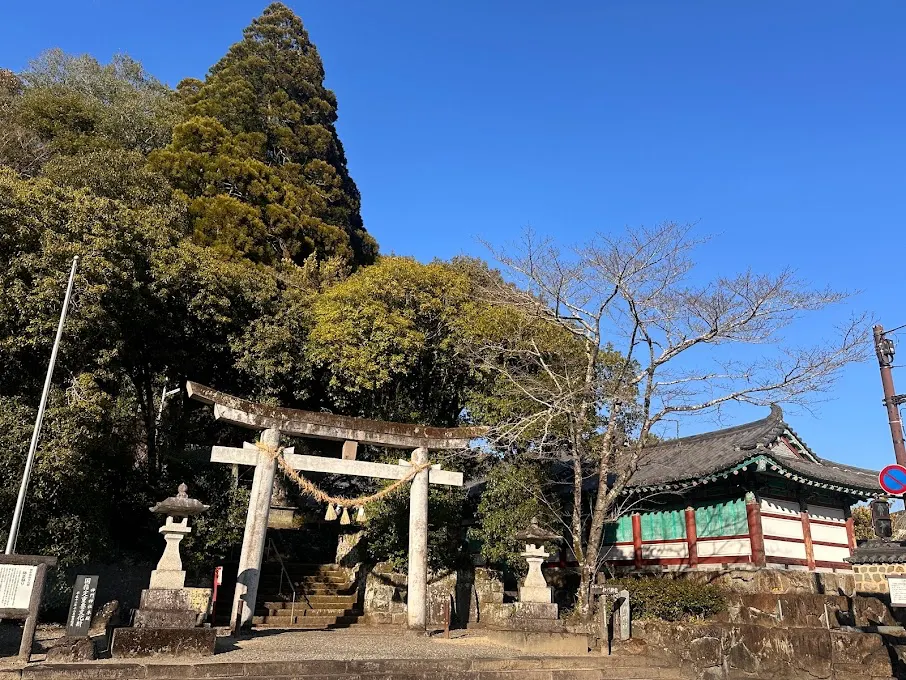
Kijō (around Hiki Shrine)
◦
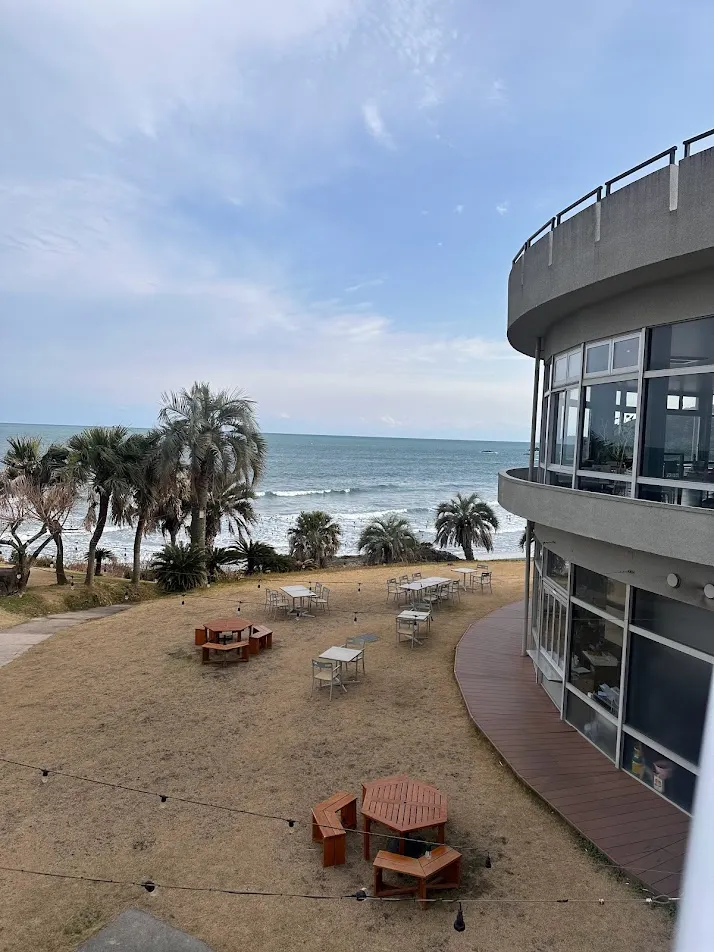
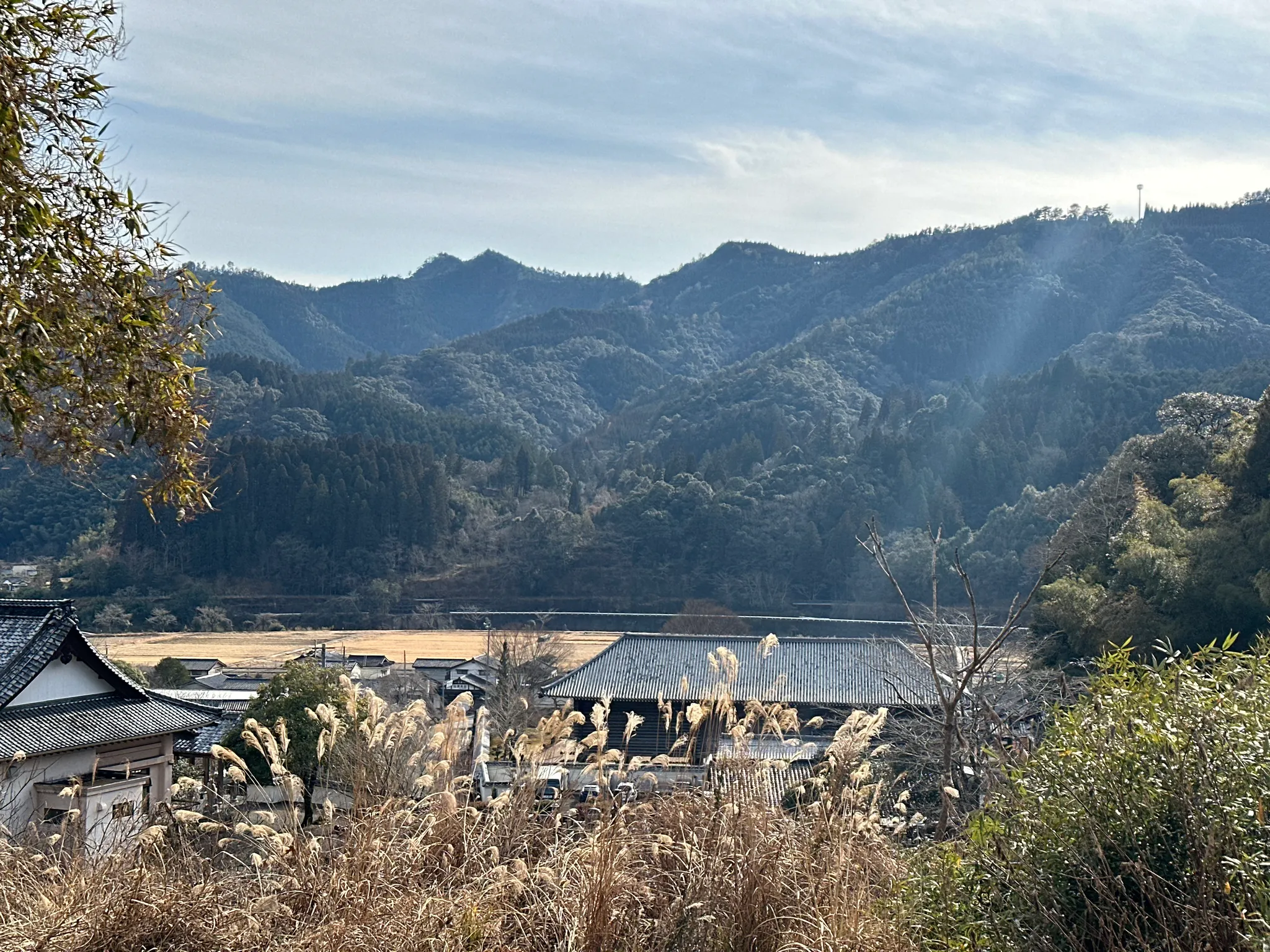
Possibly a seaside base (e.g. Aoshima area) for the last 2–3 days
•
Group size: about 8–9 people total
•
Minimum to go ahead: 4 people
•
Focus:
◦
Shiwasu Matsuri (師走祭り)
◦
Baekje × Japan × Kyushu stories
◦
Workation rhythm (you can keep working)
◦
Small, international group and deep conversations
•
Important: This is a draft plan.
Details and locations may change depending on who joins, budget, and local conditions.
Letter from Yeji – Why This Journey?
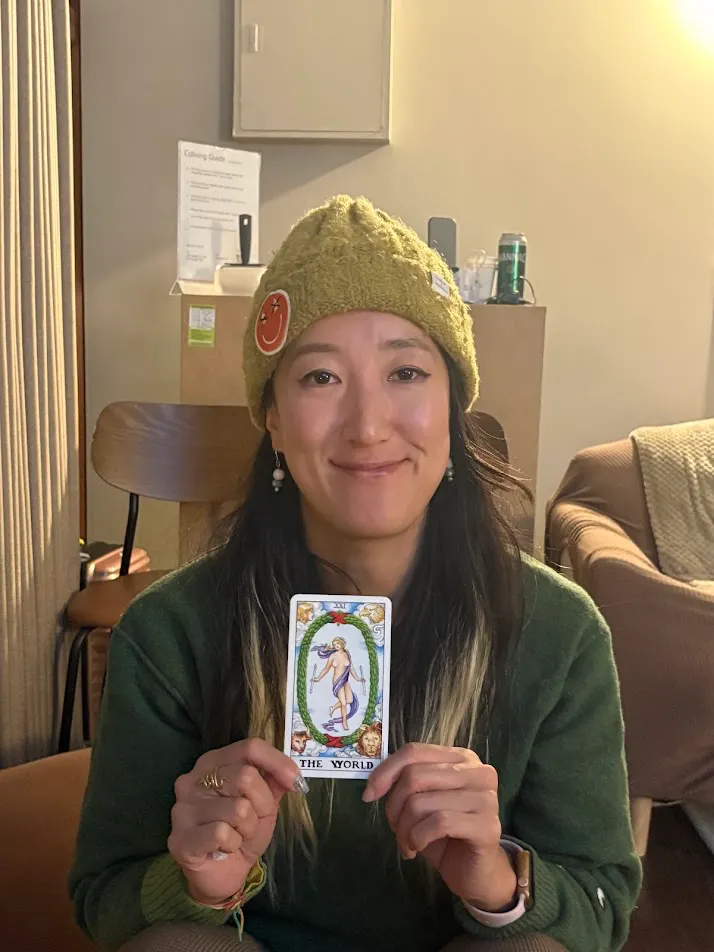
Hello friends, this is Yeji.
In January this year, I visited Nangō in Hyuga City, Miyazaki,
also known as “Paekche Village”,
and experienced a festival called Shiwasu Matsuri (師走祭り) for the first time.
In this festival, the descendants of an ancient Baekje (Paekche) royal family are still honored as kamibito (神人 – “divine people”), and every year, for more than 1300 years, a ritual procession has connected two shrines: one dedicated to the son, and one to the father. It felt like stepping into a living memory from a time before nations, borders, and fixed identities existed.
I found myself asking:
“Before nation-states and nationalism,
how did people welcome each other, learn from each other, and mix?”
Today, many local towns in Japan, Korea, and around the world are trying to invite more “visitors” and increase “local spending” as a way to respond to population decline.
But when I think of Baekje and Japan, and this area of Kyushu, it feels like what truly mattered was not money, but non-financial capital: skills, knowledge, stories, rituals, craftsmanship, emotional literacy, shared language, trust, networks, and long-term relationships.
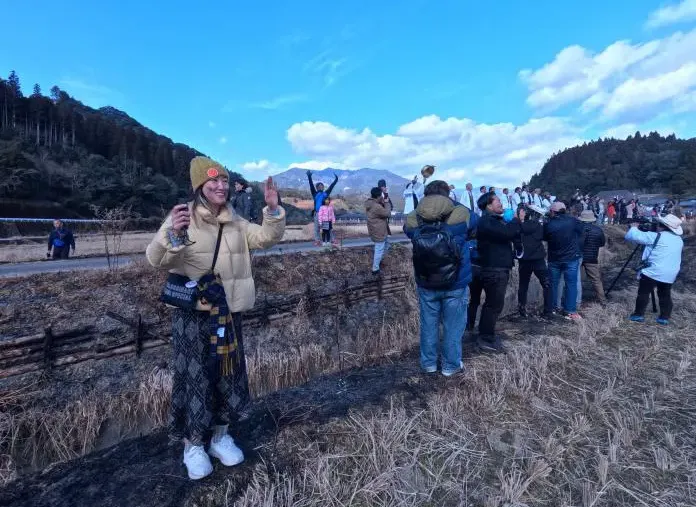
So in January 2026, I’d like to gather a very small international group of about 8–9 people who resonate with this story, and co-create a workation + mini-retreat in and around Paekche Village.
I’m not going as an expert on this place. I first joined Shiwasu Matsuri only recently, in 2025. I’m going as a guest who is still learning, and I’d like to walk, listen, and imagine together with you.
What is Shiwasu Matsuri? What is Baekje?
Shiwasu Matsuri (師走祭り)
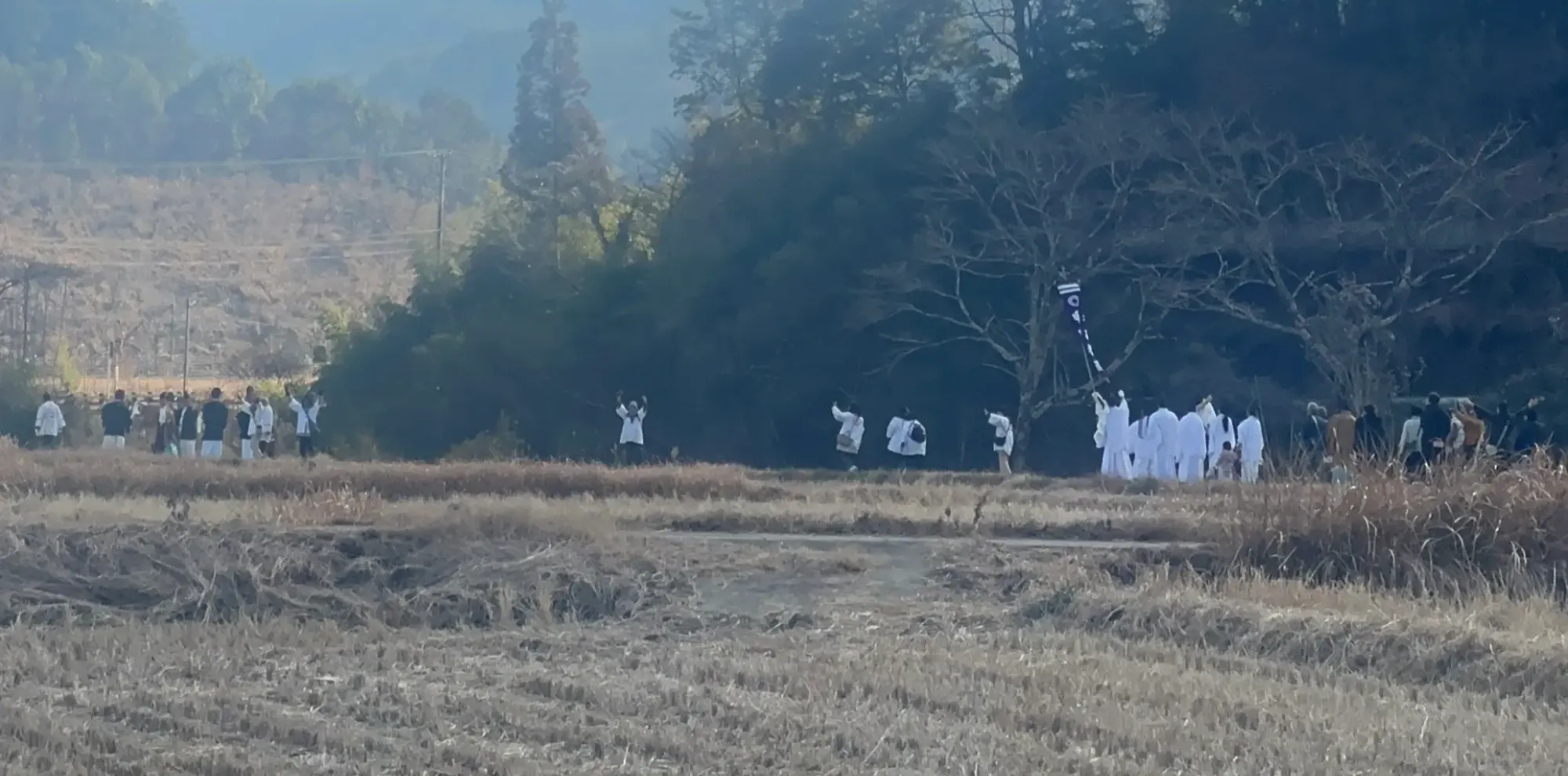
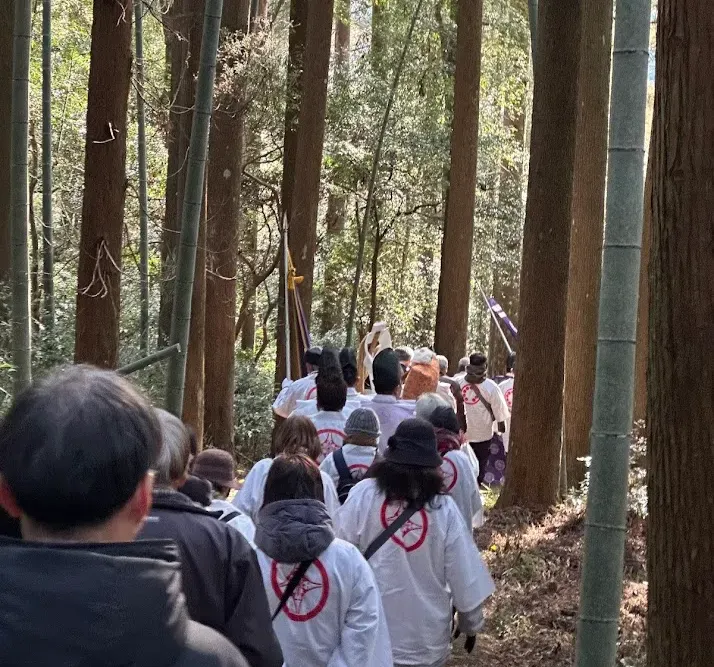
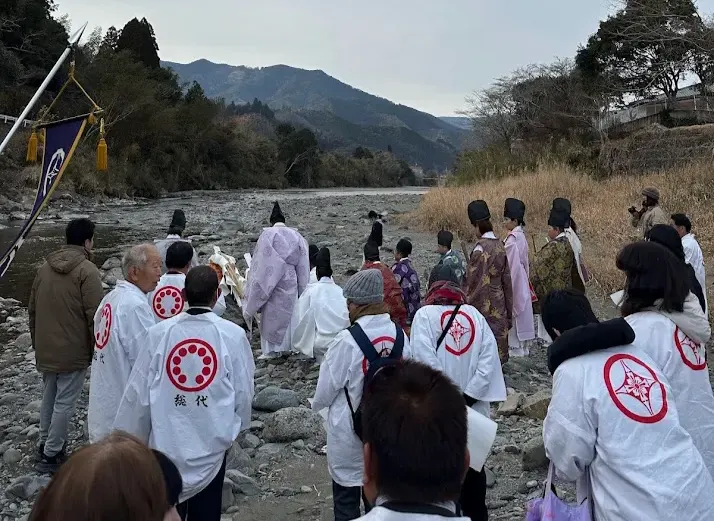
Shiwasu Matsuri is a local festival in the Nangō area of Miyazaki that has been carried on for more than 1300 years.
According to local tradition, it is a yearly reunion ceremony between a Baekje prince and his father, now enshrined in two different shrines.
A kamibito (神人), believed to be a descendant of this royal line, walks between these shrines, praying for the peace and continuity of the village.
The path between the two shrines, and the repeated story of father and son meeting again each year, offer a powerful symbol of human connection that predates nation-states.
Baekje (Paekche / “Kudara”)
Baekje was an ancient Korean kingdom (18 BCE–660 CE) in the southwest of the Korean Peninsula. It played a major role in shaping early Japanese civilization, bringing Buddhism, architecture, art, and advanced knowledge to Japan.
In English, it is often written Baekje or Paekche, and in Japanese historical texts it appears as “Kudara” (クダラ). The stories around Shiwasu Matsuri are connected to the idea that descendants of Baekje royalty crossed the sea and settled in this region of Kyushu.
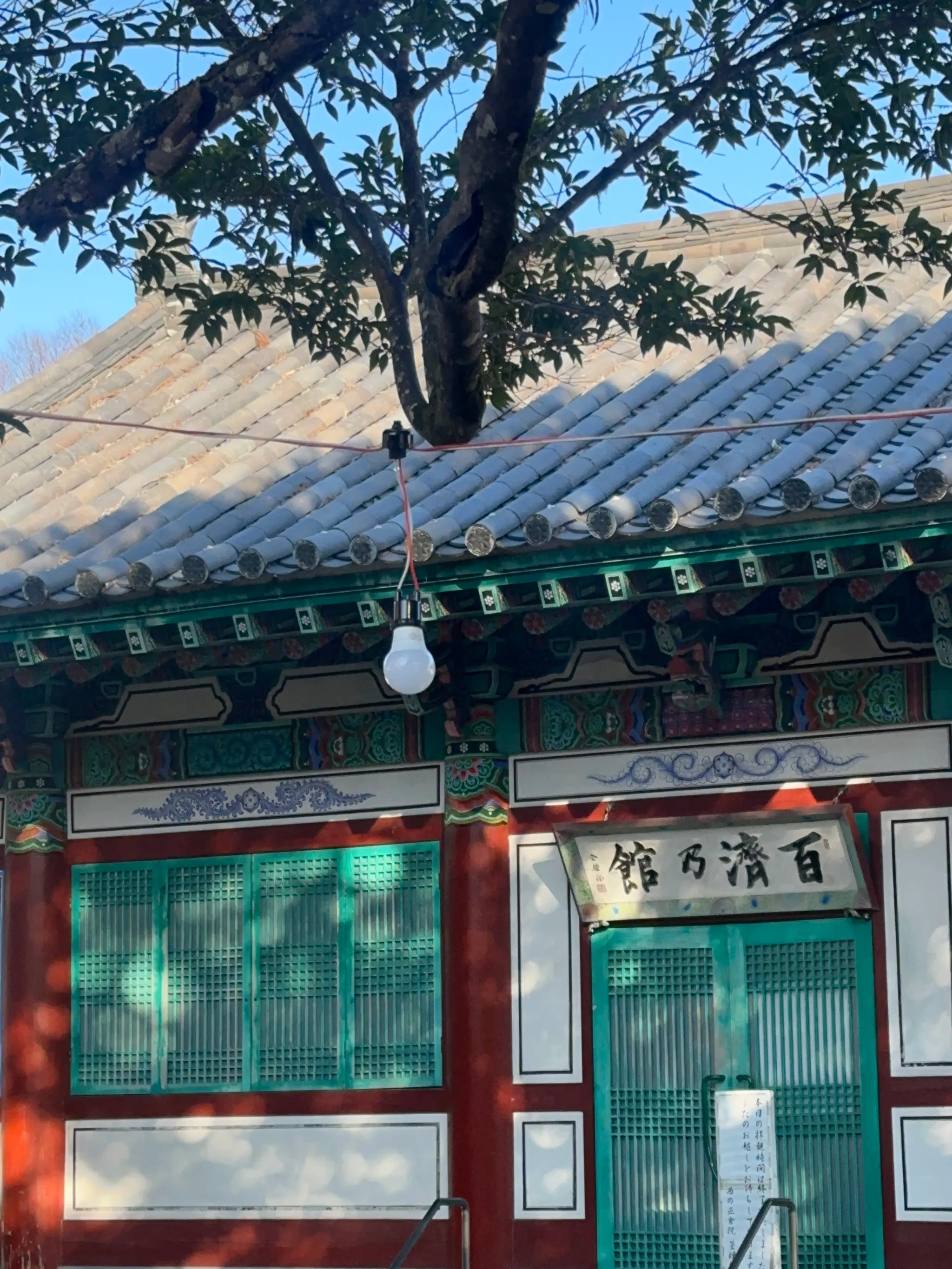
Why “Kudara Crossing”?
The name “Kudara” comes from how Japan referred to Baekje in ancient times. The characters 百済 are read “Baekje” in Korean and “Hyakusai” in Sino-Japanese, but when used as the name of this kingdom, Japan read it as Kudara – likely reflecting older local names and sounds.
So Kudara Crossing holds several layers:
•
The historic crossings of Baekje people over the sea to Japan
•
The ritual crossing of the kamibito between the two shrines each year
•
And our own crossing today as nomads and global citizens, stepping into an older story of movement, encounter, and exchange.
In that sense, Kudara Crossing is an invitation to explore “nomads before nations” –people whose lives and identities were shaped by sea routes, shared projects, and relationships, rather than passports and fixed borders.
Why This Journey Now?
This workation has two main intentions.
1. To return to a pre-national imagination
•
To temporarily put aside fixed labels of nationality and identity
•
To explore how people in ancient East Asia moved, mixed, and learned from each other
•
To ask: “What if we remembered that we once learned from each other more freely?”
2. To re-imagine how locals and outsiders can truly meet
•
Beyond “host vs guest” or “service provider vs consumer”
•
Towards exchanges of non-financial capital:
stories, worldviews, care, friendship, and shared reflection
•
Beyond “visitors” or “remote workers”
into co-thinkers and co-dreamers
This is less a “program with answers”
and more a shared space for questions, imagination, and honest conversation.
Again, I’m very new to this place myself —
so I won’t be there to “explain the local community” to you,
but to learn and sense things together.
When / Where / Who / Budget
Dates
•
January 14–21, 2026 (7 nights / 8 days)
•
Main festival days: January 16–18 (Fri–Sun)
•
All details are subject to change
as we talk with participants and respond to local conditions.
Locations
•
Miyazaki Prefecture, Japan
◦
Hyuga City / Nangō (“Paekche Village”)
◦
Kijō Town (around Hiki Shrine)
◦
A seaside base (for example, around Aoshima) for the final days
•
Exact accommodations and town choices will be decided together with the group.
Group
•
Total: about 8–9 people
•
A mix of people from Korea, Japan, and other countries
•
We can already go ahead with 4 people or more
Very Rough Budget Range
(Ballpark numbers, not fixed prices.)
•
Accommodation (7 nights / 8 days): about 300 USD
•
Local transport, meals, shared costs: about 400 USD
→ Estimated total: About 700 USD
We’ll refine and decide the actual plan together
once we see who is interested and what we could choose.
How We’ll Prepare & About Costs
•
I’m learning too.
I first joined Shiwasu Matsuri in 2025,
and my relationship with the local community is still very young.
•
Accommodation is still open.
We’ll choose where to stay with the people who express interest, based on:
◦
Budget ranges
◦
Preferences (quiet / social, private / shared rooms)
◦
Access to the sea and the festival sites
◦
Also availability of places (Many places close to the venue are not already available… so we need a quick confirmation!)
•
Cost-sharing, not a profit-making retreat.
The idea is to stay close to actual costs,
not to add a large program fee on top.
We’ll aim for a transparent breakdown of:
◦
Accommodation
◦
Local transport
◦
Shared expenses (e.g. car rental, some group meals, etc.)
and split what makes sense in a fair way.
(Flights are handled individually.)
•
Co-created roles.
This journey will likely feel better if we each hold a small role,
within our own capacity. For example:
◦
Language bridges (Japanese / Korean / English support)
◦
Documentation (writing, photos, short videos, shared notes)
◦
Practical support (checking bookings, time-keeping, small logistics)
◦
Care / atmosphere (tea, stretching, music, gentle group check-ins)
Nothing is mandatory, but everyone is invited to bring a small piece of themselves
so that the journey is truly co-created.
What We’ll Do – Approximate Flow
This is the current draft, not a fixed schedule.
It may adapt as we talk with each other and with locals.
Jan 14 (Wed) – Arrival & Landing
•
Arrive in Miyazaki / Nangō area
•
Check-in and settle into the accommodation
•
Gentle evening welcome circle:
◦
Who we are
◦
What called us to this journey
◦
What we hope to learn or unlearn
Jan 15 (Thu) – Village & Story
•
Exploring the village and local history
◦
Visiting a small museum or local history spot
in or around Nangō (as accessible)
•
Workation time from a café or our stay
•
Evening reflection:
◦
First impressions of Nangō
◦
What stands out in the Baekje × Japan stories so far
◦
Questions that are already emerging
Jan 16–18 (Fri–Sun) – Shiwasu Matsuri
•
Joining Shiwasu Matsuri as respectful guests (as much as feels appropriate/possible)
◦
Walking parts of the procession route between the shrines
◦
Visiting the shrines, observing, listening
◦
Quietly documenting impressions (notes, sketches, photos)
•
Moving with the rhythm of the festival during the day
•
Keeping pockets of time for:
◦
Remote work
◦
Writing or creative work
◦
Rest and personal space
Jan 19–21 (Mon–Wed) – Sea, Workation, Surf (Optional)
•
If possible, shifting to a seaside base
(for example, around Aoshima)
•
Using a café or our accommodation as a coworking base
•
For those who want:
◦
Surfing as an option on Mon/Tue/Wed,
depending on weather and sea conditions
(winter surfing is usually done with thicker wetsuits)
•
Time for:
◦
Remote work
◦
Walks by the sea
◦
Slow conversations in pairs or small groups
•
On Jan 21 (Wed):
◦
A simple closing circle:
▪
What we are taking home
▪
What questions stay with us
◦
Check-out and departures / onward travel in Japan
Throughout the week,
we’ll try to balance each person’s work and energy
with exploration, conversation, shared reflection, and time by the sea,
rather than filling every slot with scheduled activities.
How to Express Interest
We are not at the final booking stage yet.
This is an exploratory phase to sense who feels called to join.
If you feel a yes, maybe, or I’m curious,
you can show your interest through this form. (link) 
There is no commitment at this stage —
just an honest check-in of your curiosity and capacity.
If you have questions, uncertainties,
or a personal situation you’d like to talk through,
feel free to email me anytime at seoulnooks@gmail.com.
If you have questions, uncertainties,
or a personal situation you’d like to talk through,
feel free to email me anytime at seoulnooks@gmail.com. Optional 1:1 Call
If you’re interested but have questions or doubts, I’m happy to offer a short 1:1 call to talk things through.After you submit the interest form, you’ll receive an email with a link to book a time for a brief call (about 20–30 minutes) with me.No pressure, no commitment — it’s simply a space to ask questions, check your timing and budget,and feel into whether this journey really fits you.
